Ojuelegba
Info
-
Title : Ojuelegba
-
Year : 2023
-
Medium : Installation with multichannel sound, multichannel video, and musical composition.
-
Duration : Variable.
Details
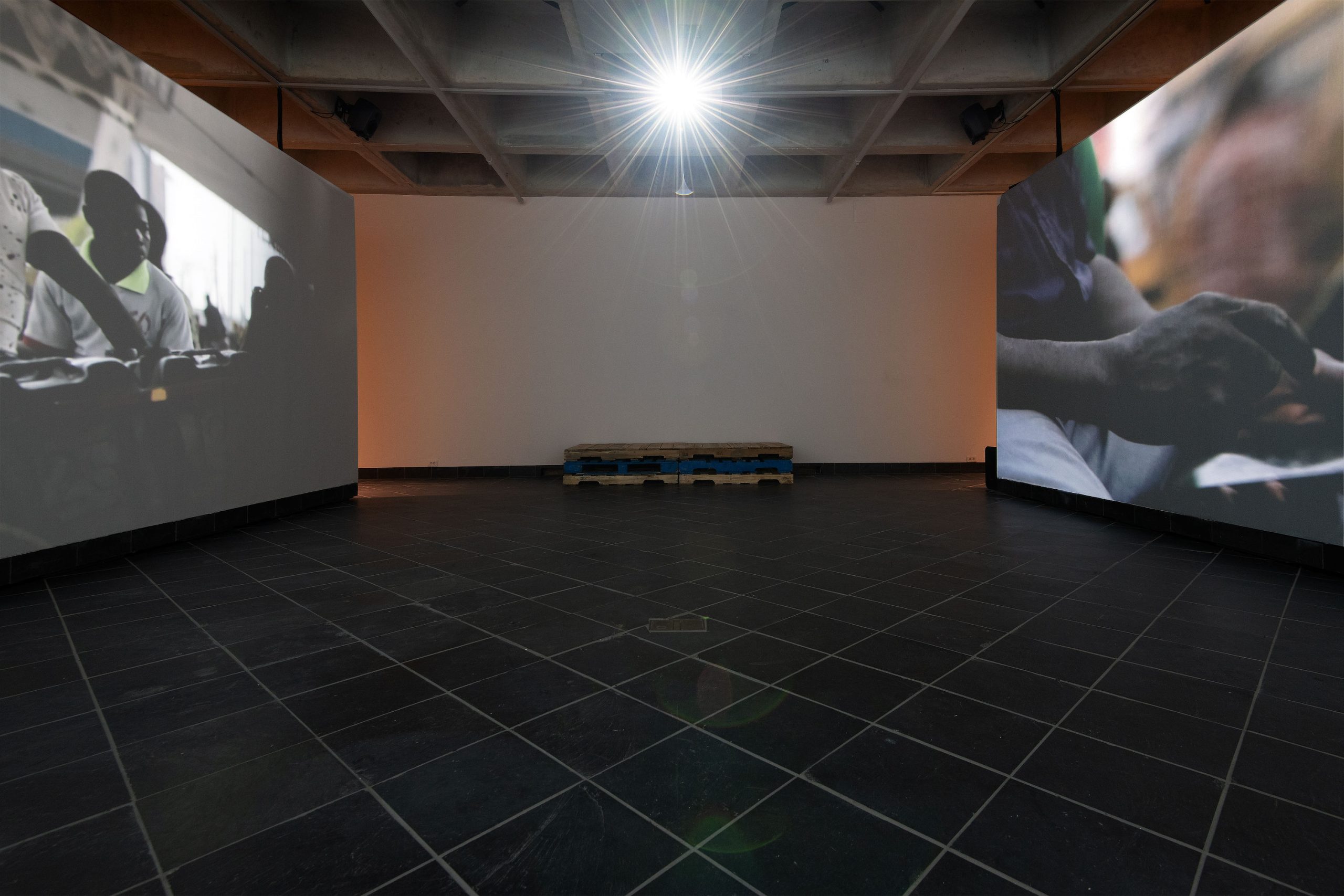
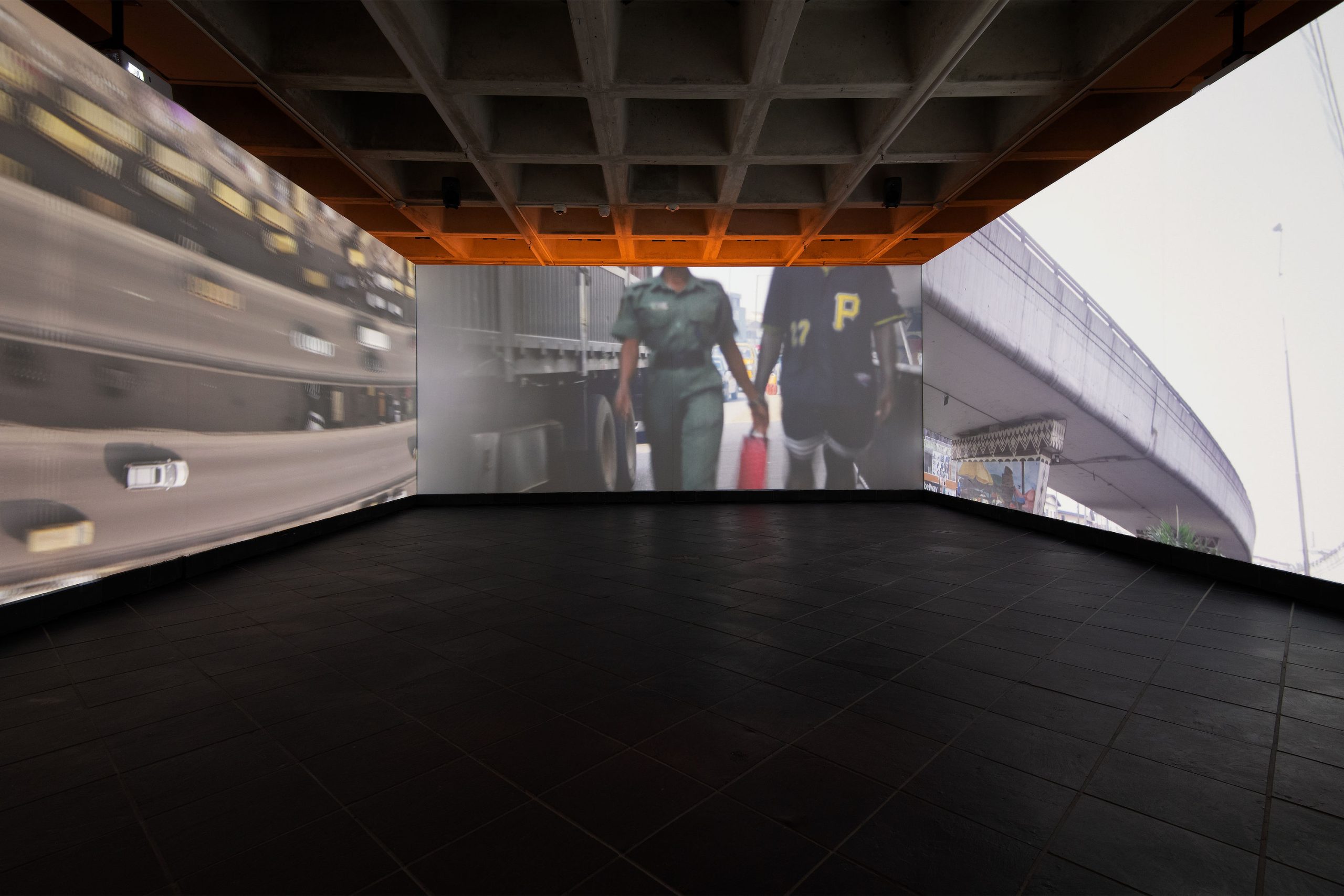
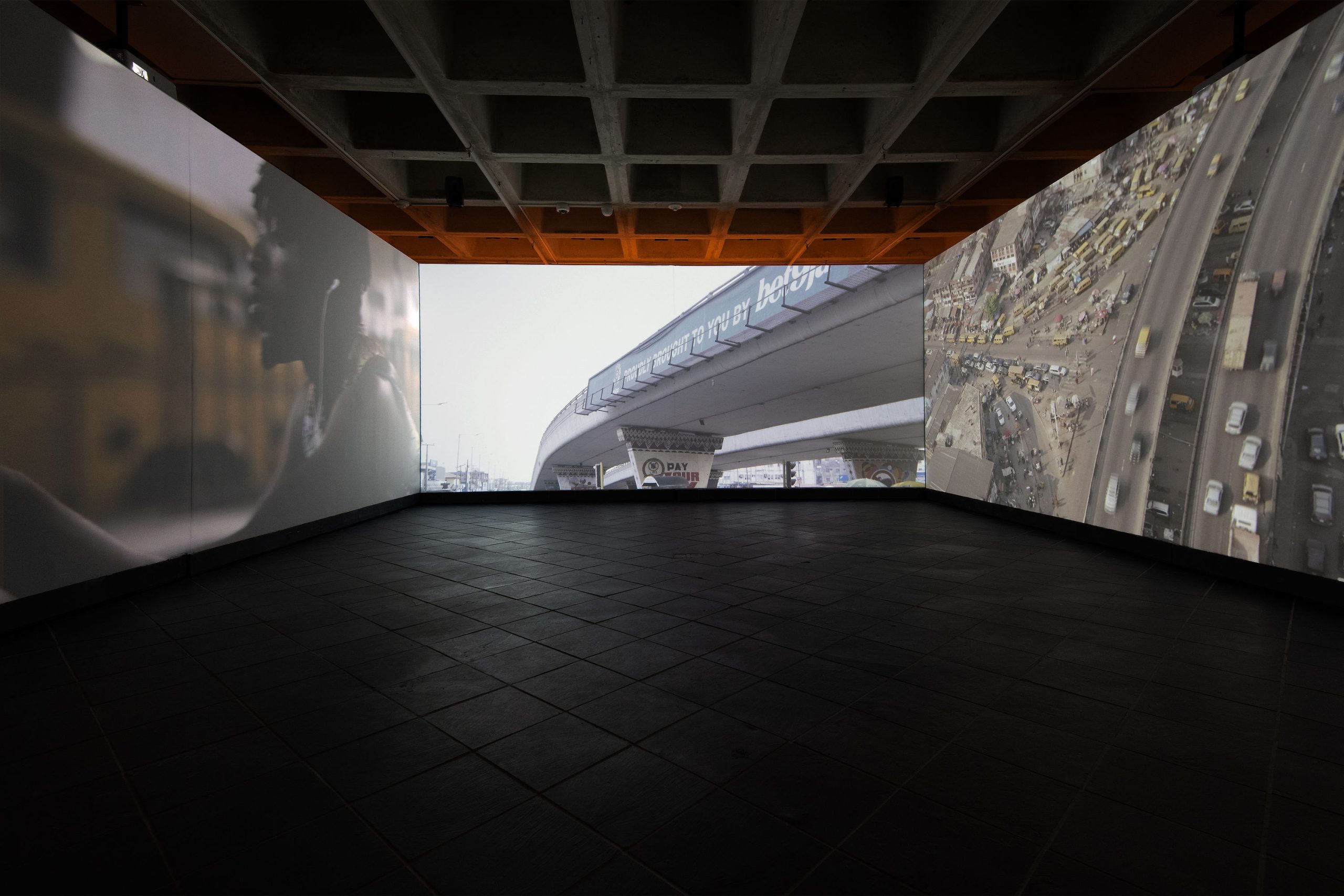
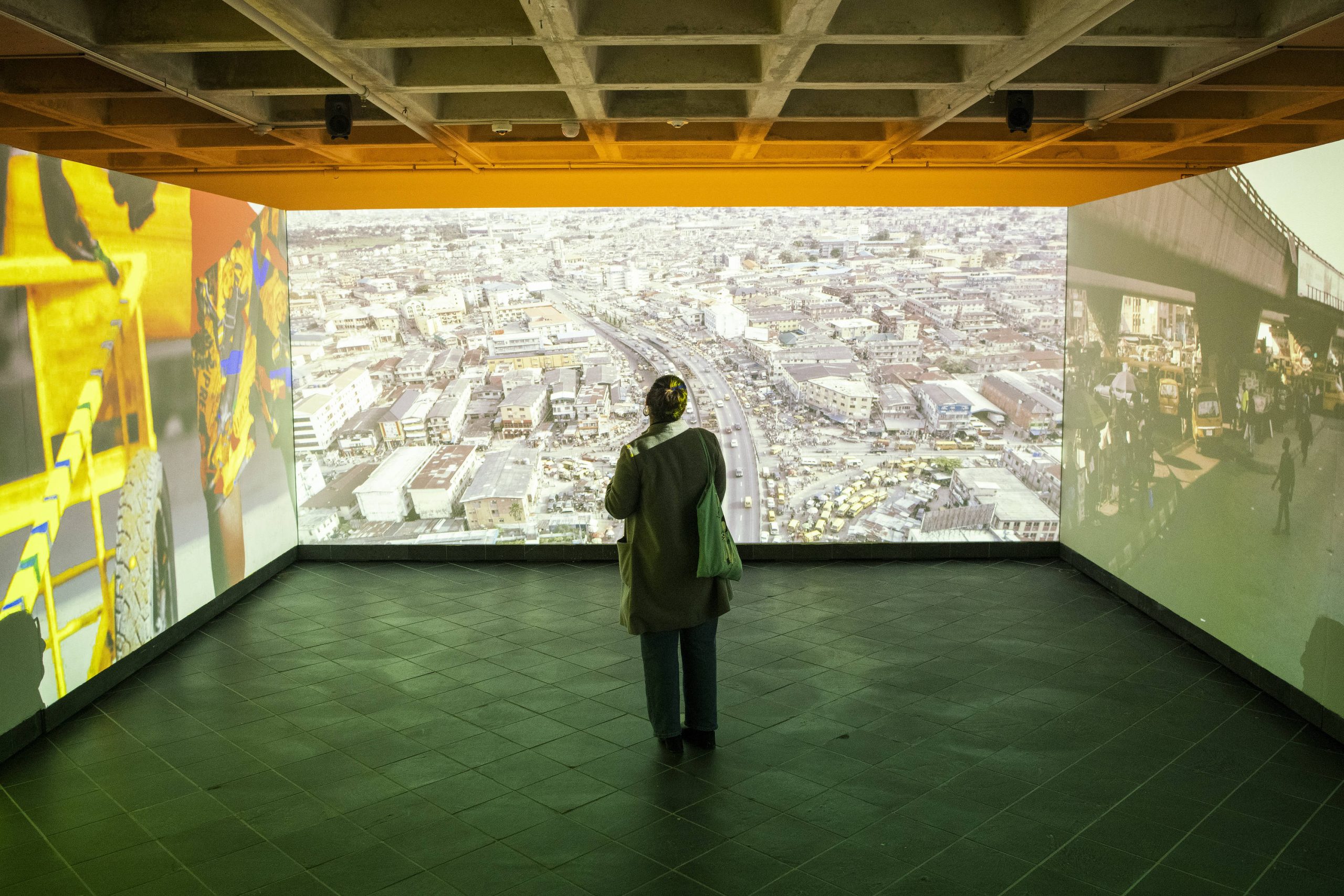
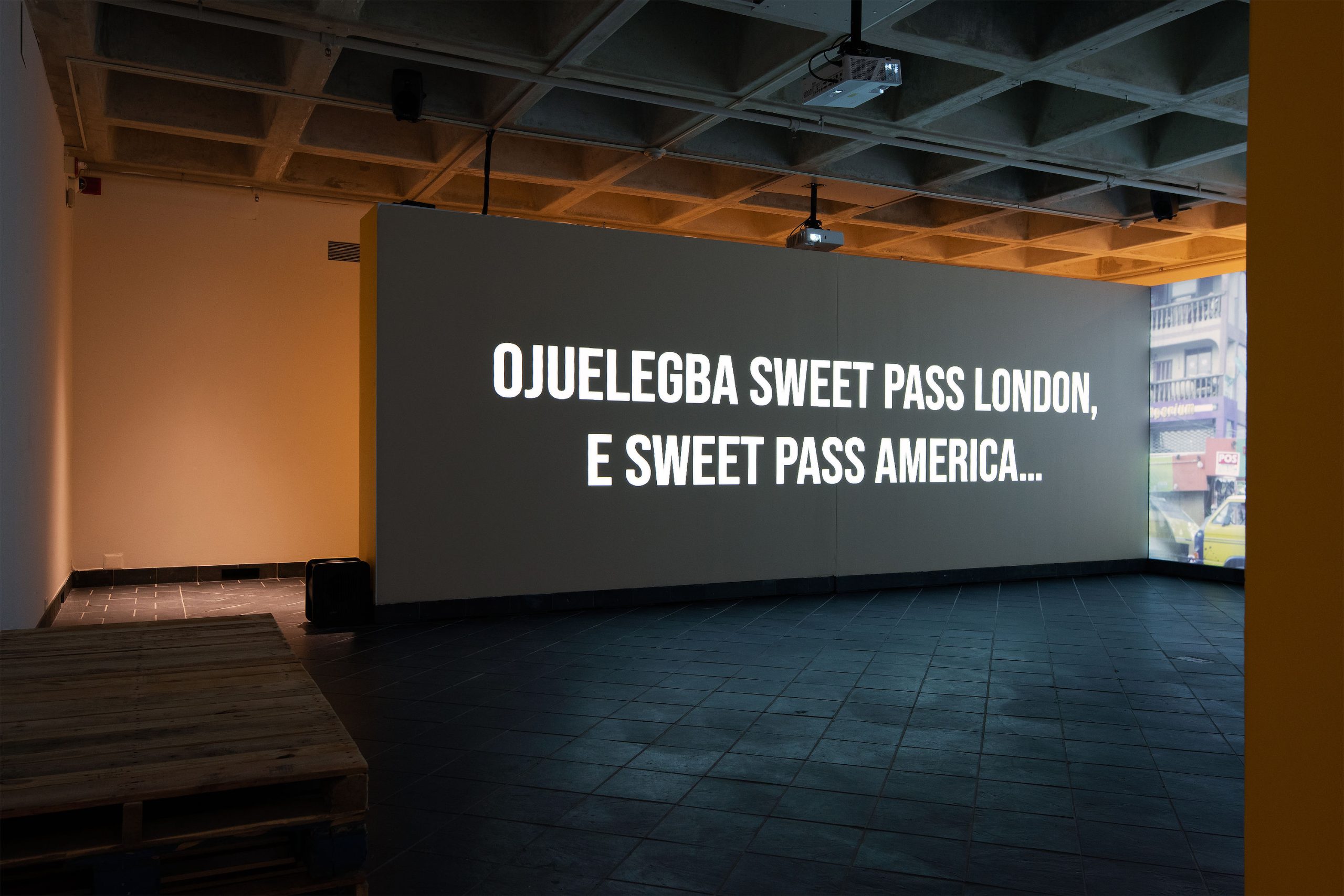
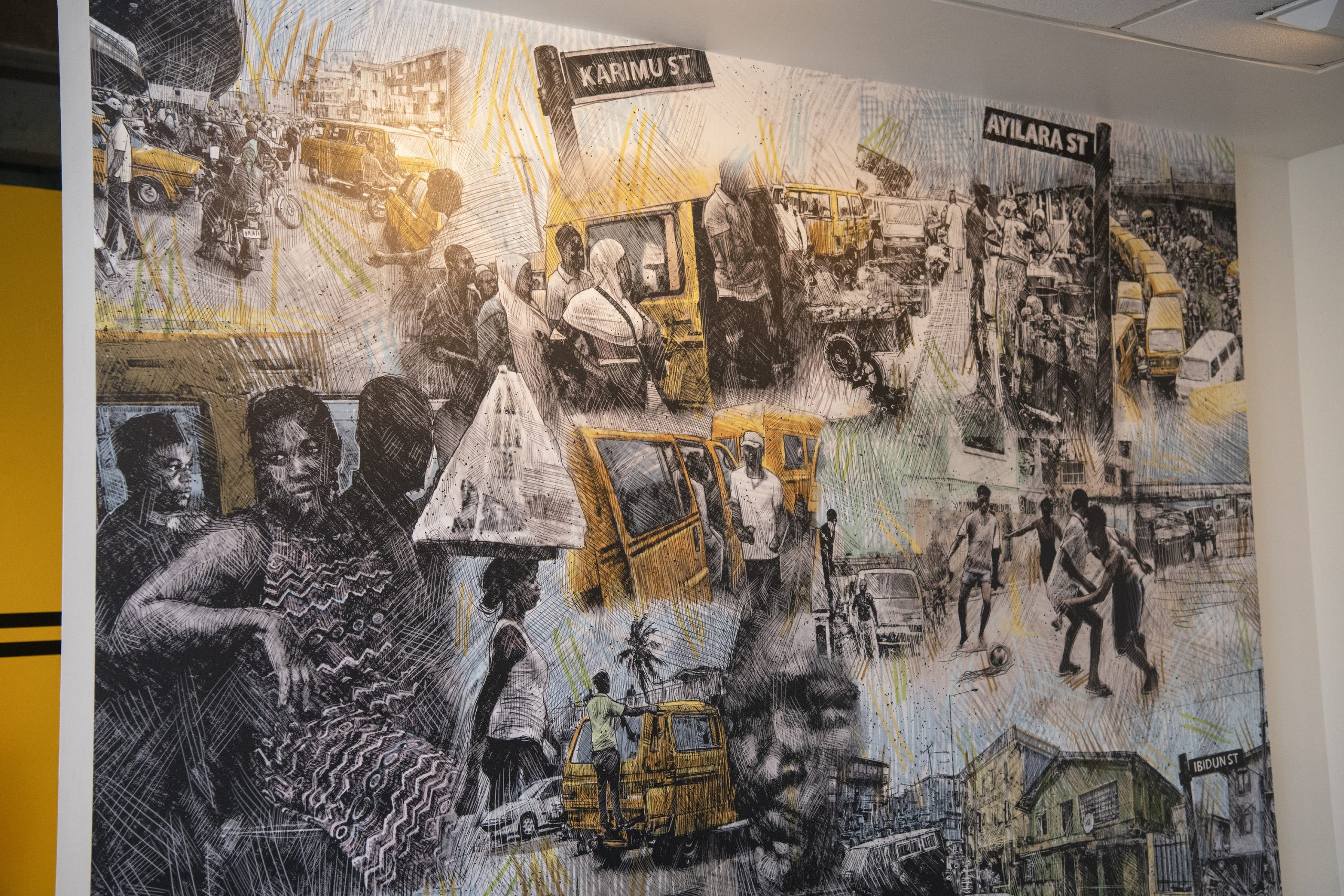
Ojuelegba is a multisensory audiovisual installation inspired by one of Lagos’s most active urban intersections – a place defined by circulation, density, negotiation and constant encounter. Situated between Yaba and Surulere, Ojuelegba operates as a major connective artery within the city, bringing together pedestrians, traders, commuters, buses, music, traffic and overlapping forms of everyday activity.
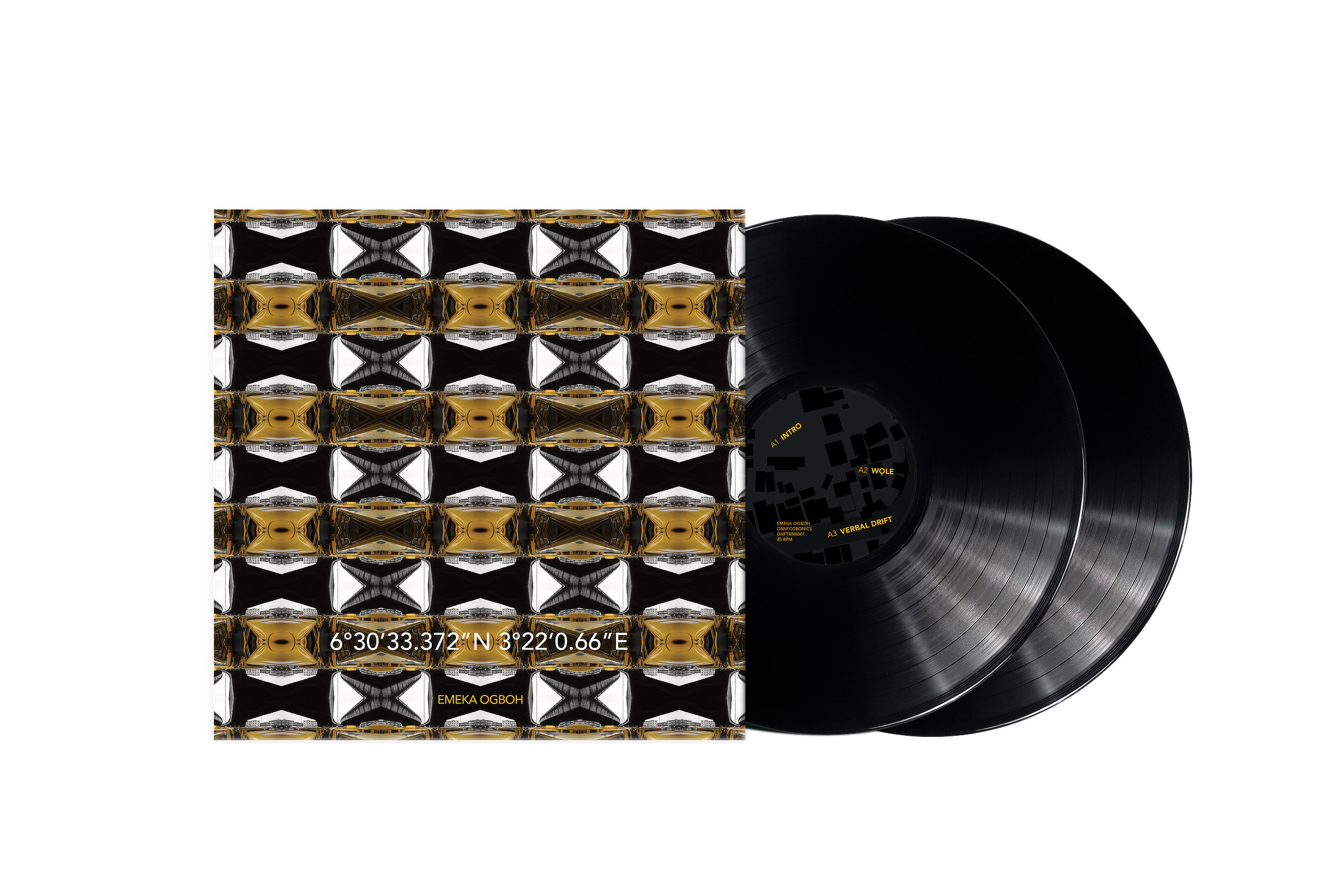
The installation developed from the music release 6°30′33.372″N 3°22′0.66″E, titled after the geographic coordinates of Ojuelegba. Extending the album beyond the format of recorded music, the work translates its compositions into a spatial audiovisual environment in which sound, moving image and architecture operate as interconnected elements.
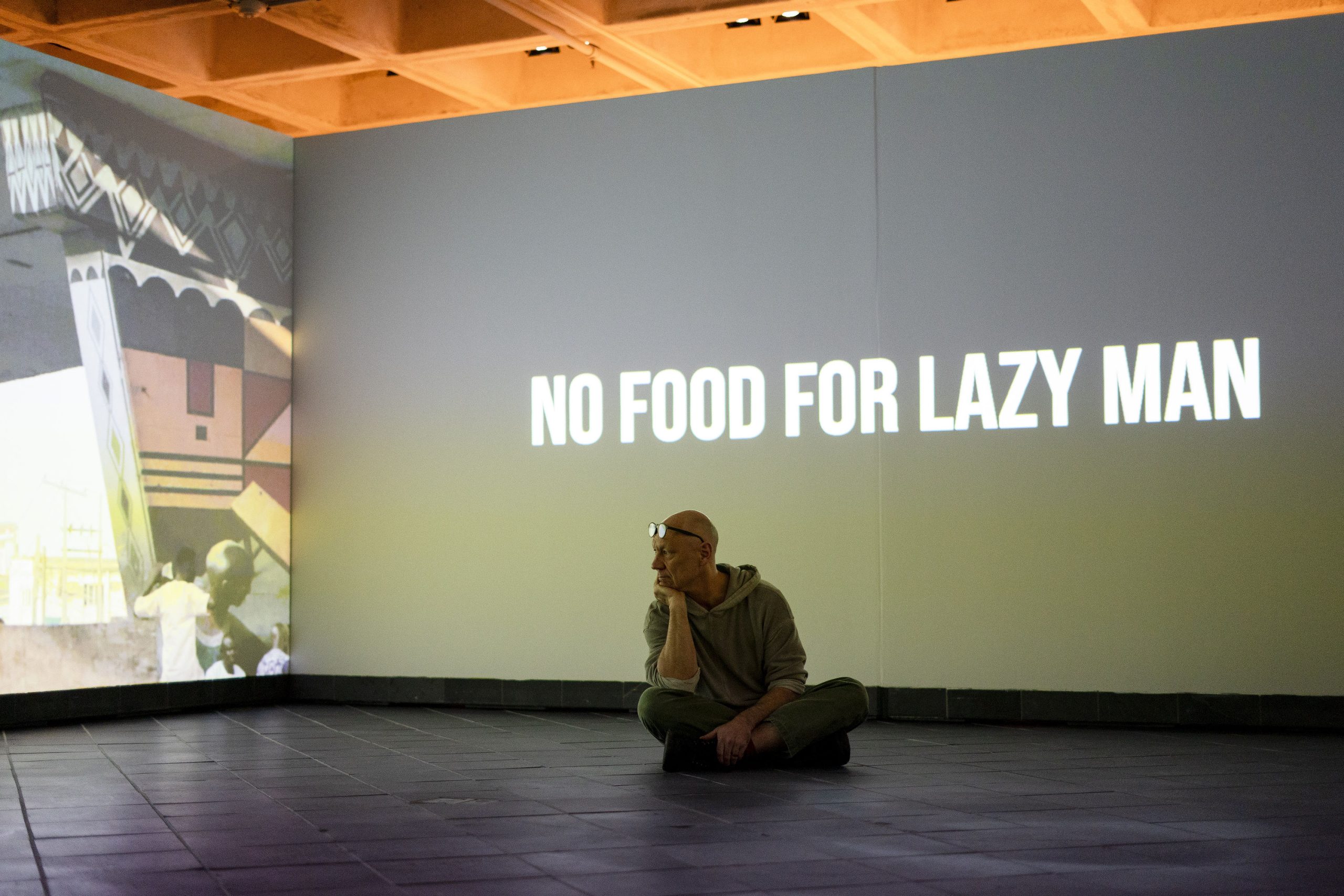
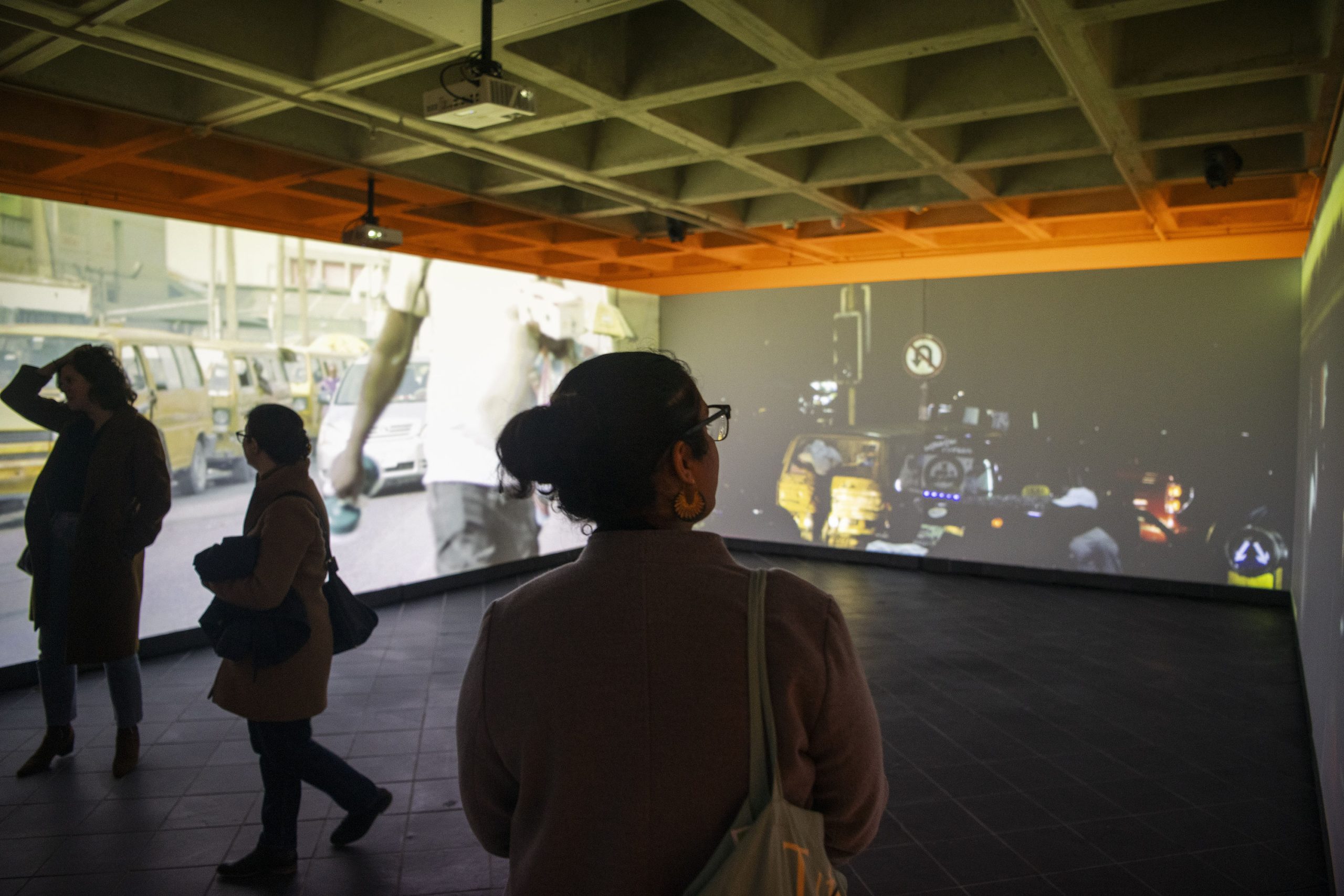
The installation unfolds across three walls as a multichannel environment. Individual elements of the music are distributed spatially, allowing the compositions to expand beyond a fixed stereo field and creating a listening experience that shifts according to the visitor’s position and movement through the space.
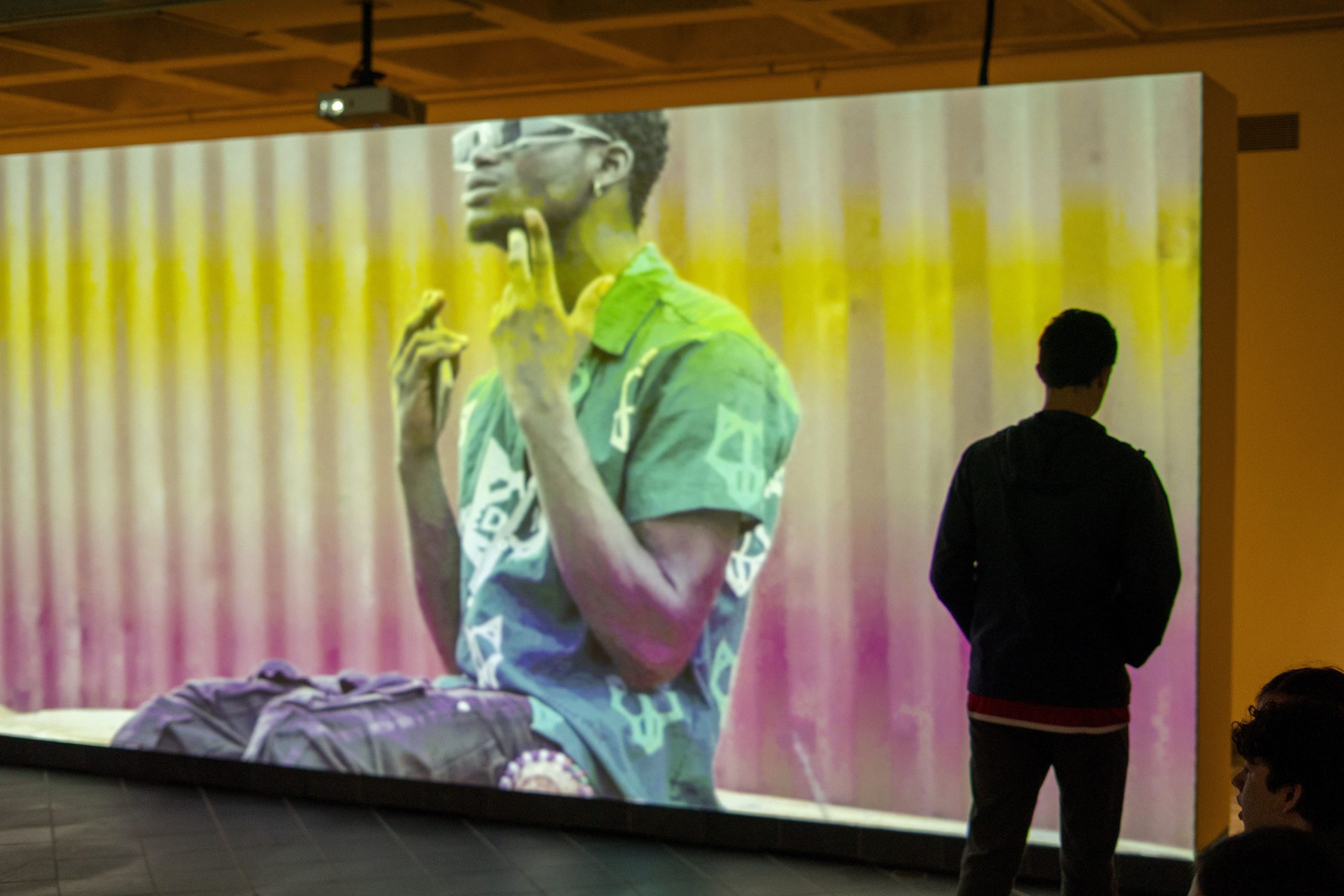
Moving images drawn from everyday life in Ojuelegba are distributed across multiple projections and continuously reorganised through a generative system. The visual structure is guided by the BPM of the music, establishing a temporal relationship between what is heard and what is seen. Cuts, transitions and the appearance of images are organised in relation to the rhythmic framework of individual tracks, allowing visual sequences to contract, accelerate or extend according to the movement of the music.
Within this structure, images continually shift between screens and appear in changing combinations. Some visual events align closely with rhythmic pulses, while others unfold across longer musical phrases. Changes between monochrome and selective colour are similarly connected to the music, with particular hues appearing and receding in relation to its rhythmic and sonic structure.
The generative system therefore does not produce a fixed film or predetermined sequence. Instead, the BPM establishes a framework within which the visual material can be continually recombined. Images return in altered relationships, migrate across the three walls and form temporary constellations before giving way to others. Each presentation remains connected to the underlying structure of the music while unfolding differently over time.
This continual recombination echoes something of Ojuelegba itself: repetition and interruption, congestion and flow, simultaneous activities and constantly shifting points of attention. Rather than constructing a singular visual portrait of the district, the work allows its imagery to remain mobile, fragmented and in continuous relation to sound.
Through this translation from album to spatial installation, Ojuelegba extends the music of 6°30′33.372″N 3°22′0.66″E into an environment that can be entered and experienced. Sound provides the underlying temporal architecture, while moving image continually reorganises itself around it, producing an audiovisual encounter that remains in motion.
Fix Margin 40px