Ode To The Channel

Info
-
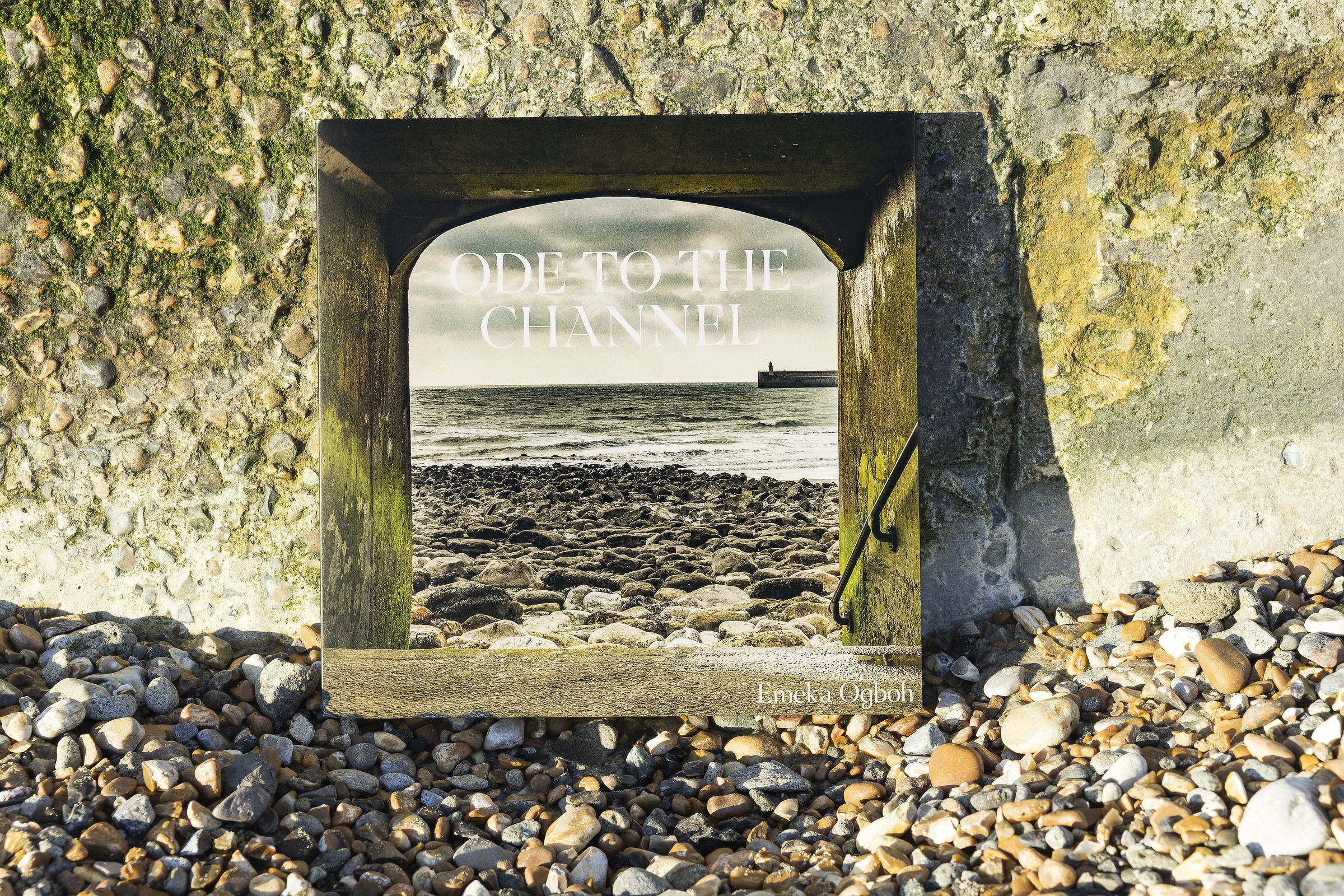
Title : Ode to the Channel.
-
Year : 2025.
-
Medium :Multichannel sound installation, with Craft beer and ice lolly.
-
Duration : Variable.
Details
Ode to the Channel is a multisensory installation that approaches the English Channel as a resonant body of geological, historical and human experience. Developed for the Folkestone Triennial, the work brings together multichannel sound, voice, taste and the physical presence of the sea to consider a body of water that has continually shifted between connection and separation, passage and boundary.
The work takes as one of its starting points geological research by Prof. Sanjeev Gupta and colleagues into the formation of the Channel. Hundreds of thousands of years ago, catastrophic megafloods breached the chalk ridge that once connected Britain to continental Europe, gradually transforming an interconnected landscape into the waterway that exists today. The Channel therefore begins in the work not as a political border, but as the result of immense geological forces that reshaped land, water and patterns of movement.
From this deep geological time, the composition moves through successive histories of human passage. The Channel has carried migrants, pilgrims, traders, armies, refugees and travellers, while repeatedly becoming a site of departure, arrival, conflict, danger and return. Rather than presenting these histories chronologically, Ode to the Channel brings them together through a musical structure that moves like the water itself – voices gathering, receding and returning in waves.
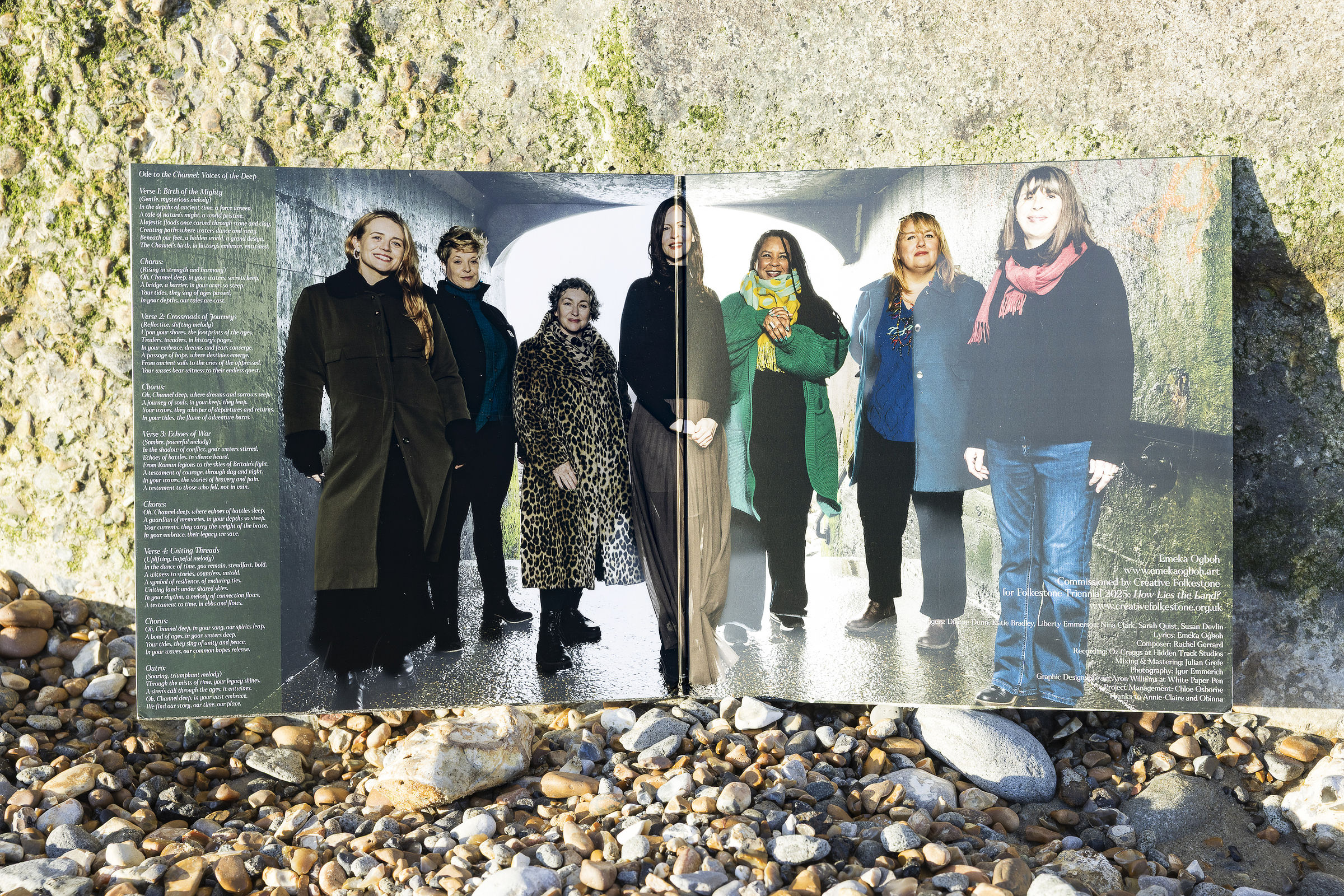
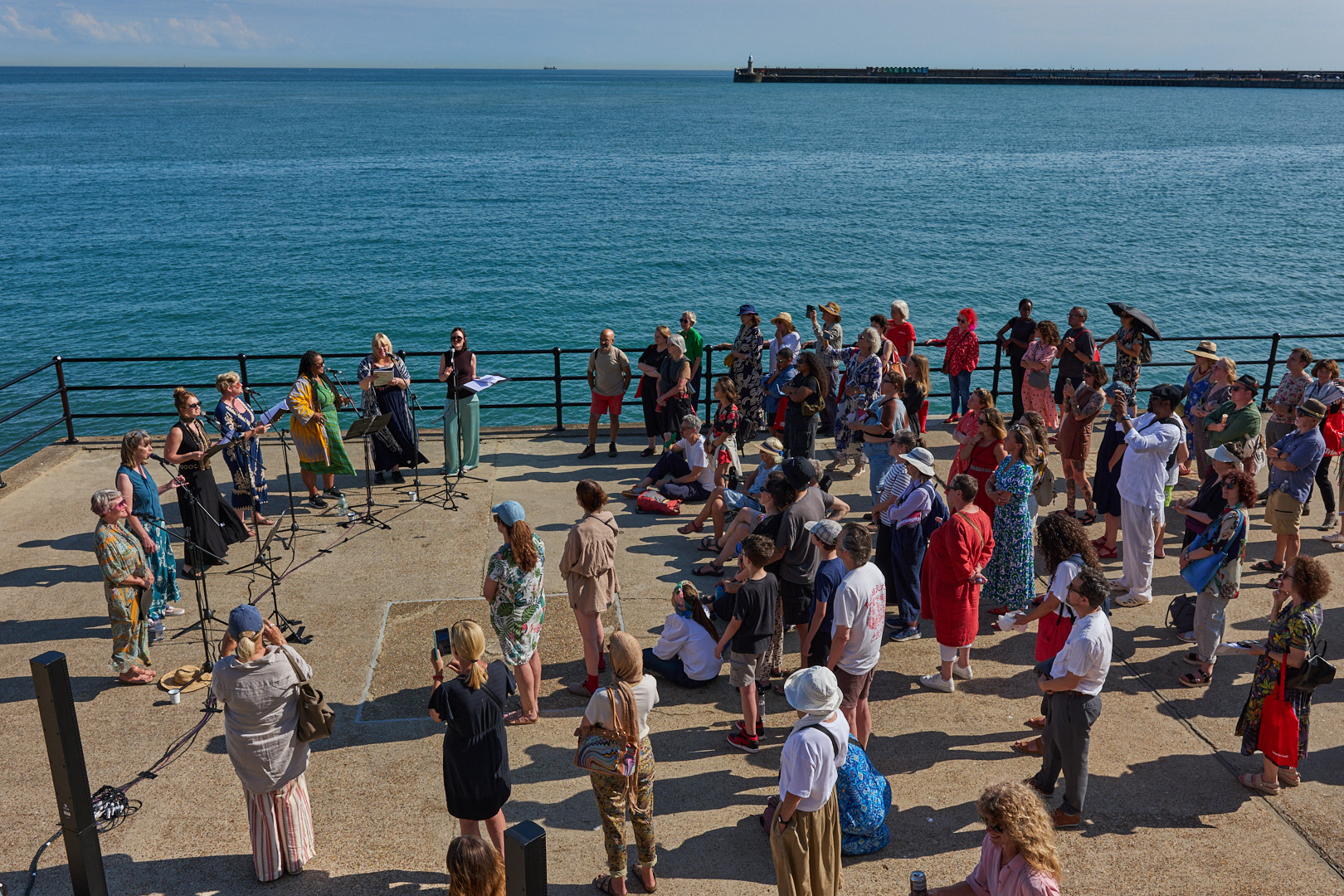
The vocal composition was performed by a specially assembled group of local singers known as The Sirens. Their a cappella voices move between individual lines and swelling harmonies, drawing on the associations of the siren as both warning and seduction, while remaining rooted in the particular coastal environment in which the work is heard.
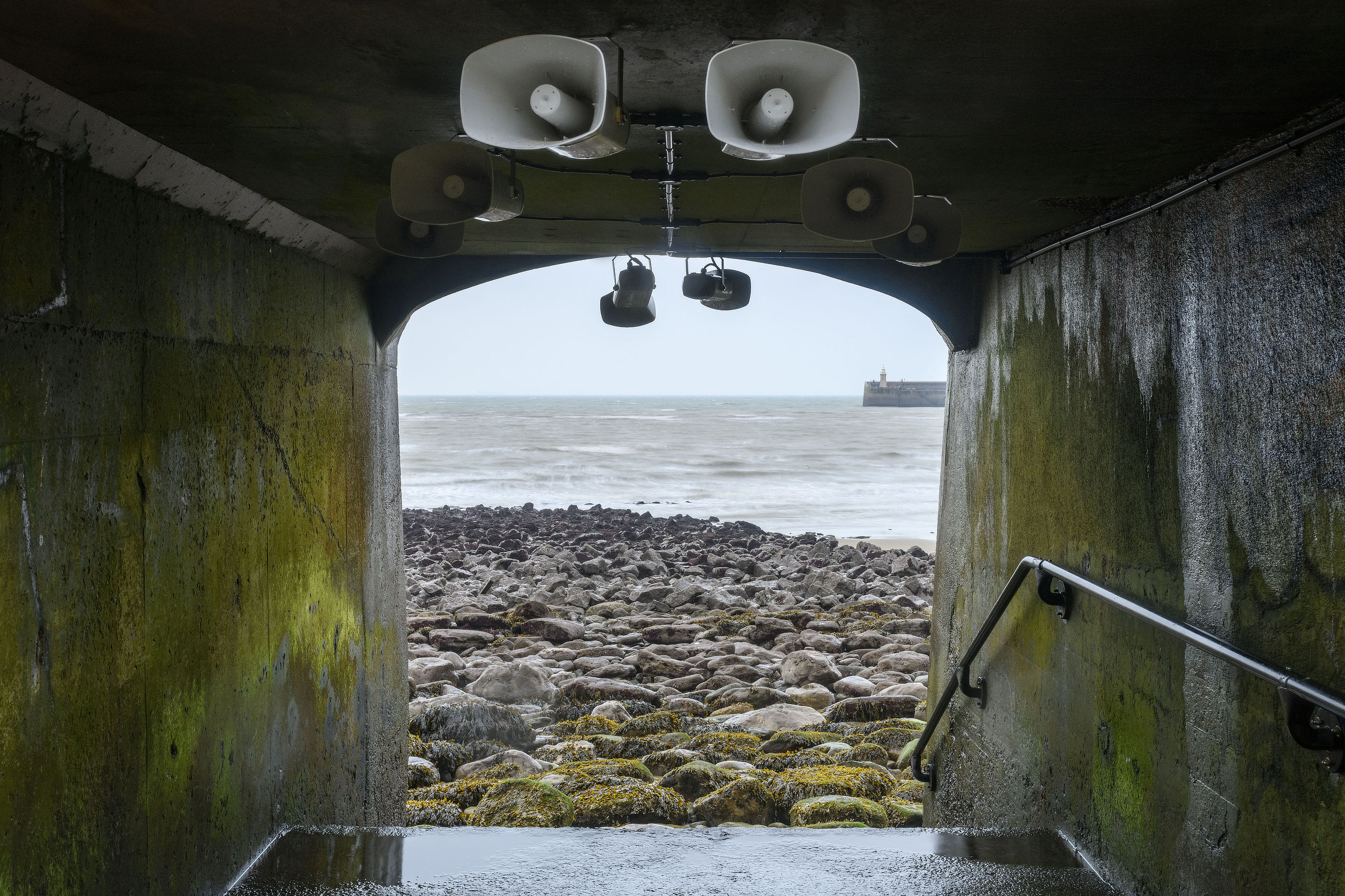
Installed beneath the arches at Coronation Parade, where steps descend directly towards the sea, the recorded voices coexist with the actual sound and movement of the Channel. Waves, wind and changing tides continually enter the composition, making the site itself part of the listening experience. The work therefore changes according to weather, tide and the conditions in which it is encountered.
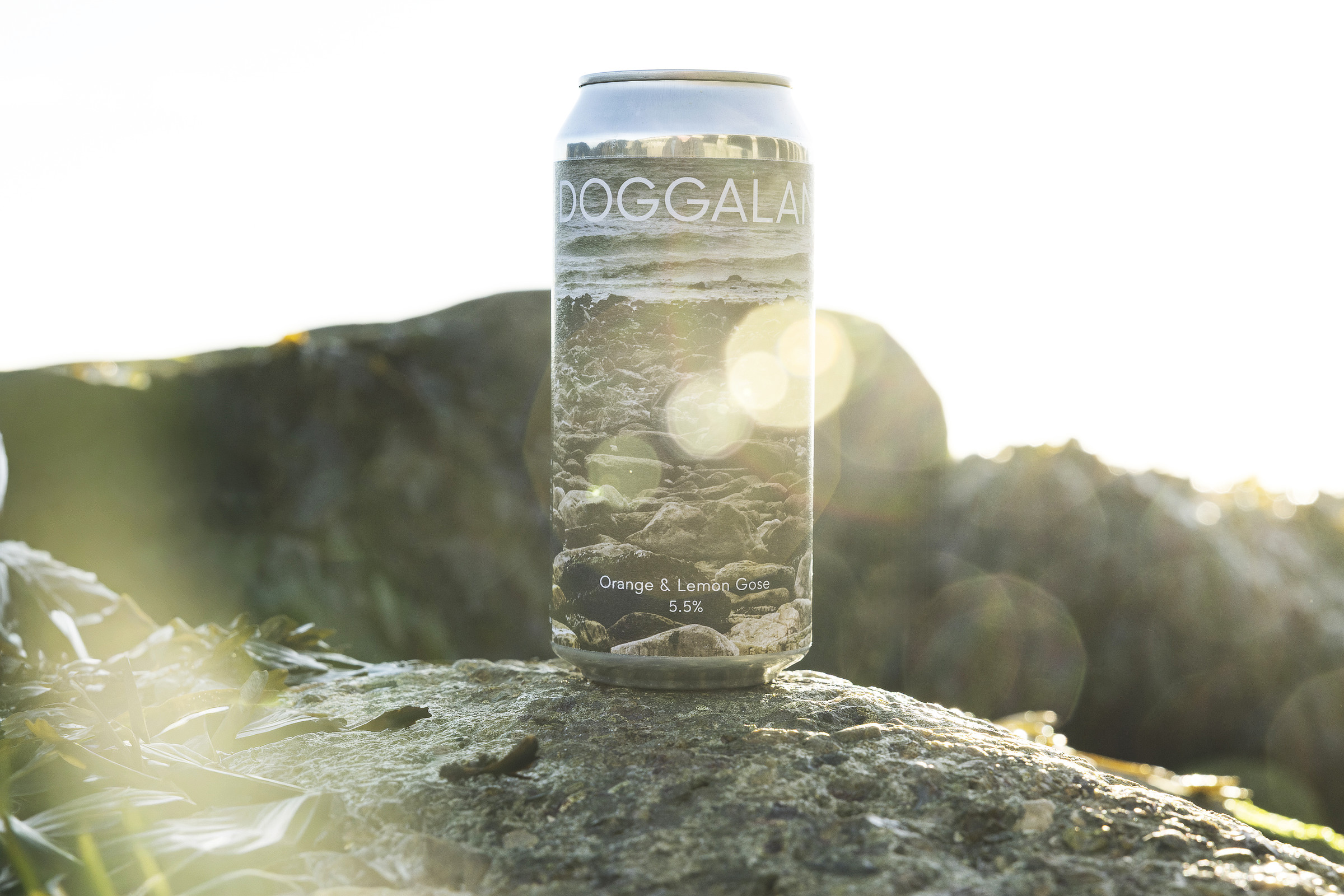
The Channel is also approached through taste. Doggaland, a beer developed with local brewery Docker, takes its name from Doggerland, the now-submerged landscape that once connected Britain to continental Europe. Alongside it, Coastal Drift, developed with local ice-cream makers Herbert’s, evokes the coast through contrasting tastes and textures – citrus, salt, spice and the sensation of the shoreline. These edible components extend the project beyond the act of looking and listening, allowing the geography of the work to be encountered through the body.
Across sound, site and taste, different temporalities remain present simultaneously: geological rupture, accumulated histories of crossing, and the immediate movement of the tide. The Channel appears not as a stable line dividing one territory from another, but as a continually changing space through which land, water, people, histories and memories have moved.
Ode to the Channel brings these layers into proximity without resolving them into a single narrative. The geological formation of an island, the histories carried across its waters and the present-day experience of standing beside the Channel coexist within a work whose form, like the water itself, remains in motion.
Request full project dossier
Fix Margin 40px